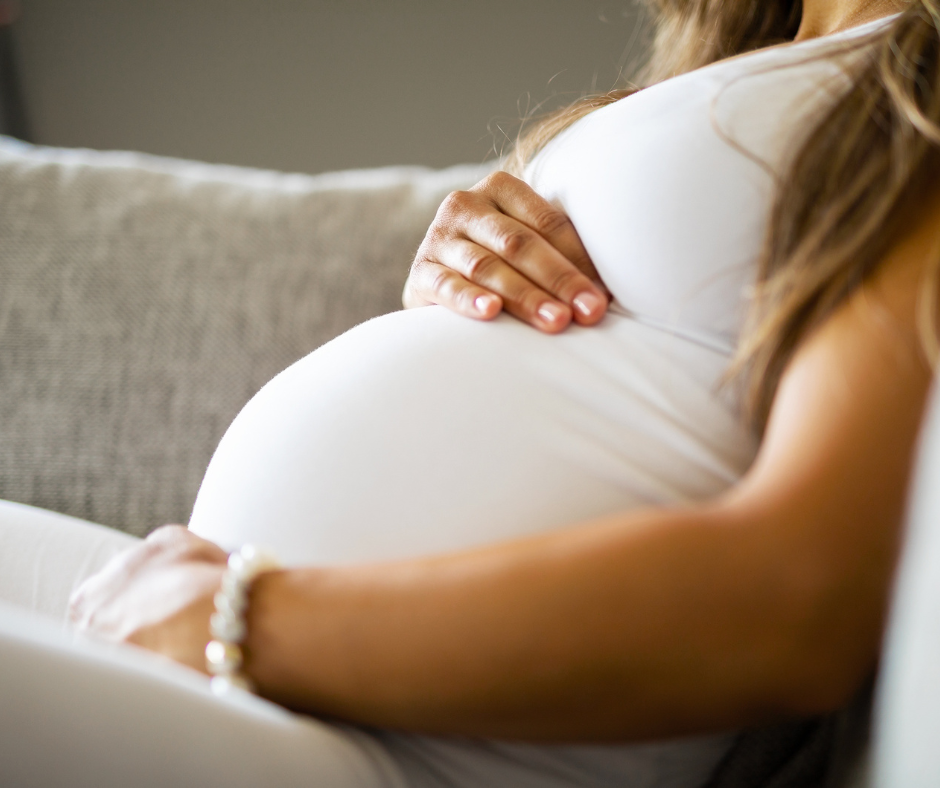
A new draft bill in the Polish parliament would change pregnancy sick pay in Poland by shifting it from employers to the Social Insurance Institution (ZUS) from day one of sick leave. The proposal, filed by MPs from the Polska 2050 party, passed its first reading in the Sejm on 9 June 2026 and is now being reviewed by a parliamentary committee. It is not yet law, and — importantly for international HR teams — it would apply only under Polish law, affecting only employers and employees covered by the Polish Labour Code and Polish social insurance system.
How pregnancy sick pay in Poland works today
Under current Polish law, an employer pays sick pay for the first 33 days of an employee's incapacity for work in a calendar year (14 days for employees over 50). From day 34 onward, ZUS takes over and pays a sickness benefit from the Social Insurance Fund (FUS).
During pregnancy, the split between employer and ZUS is the same as for any other employee — only the amount differs. Under the Polish Labour Code, incapacity for work during pregnancy is already paid at 100% of the assessment basis, whether the payer is the employer or ZUS. The maximum period for receiving this benefit during pregnancy is 270 days.
So the issue the new bill addresses isn't the amount of the benefit — it's who pays for the first weeks of leave, and how much of a burden that is for smaller employers.
What the draft bill on pregnancy sick pay proposes
The bill (Sejm druk no. 2416) would amend the Labour Code and the Act on cash benefits from social insurance in case of sickness and maternity so that pregnancy sick pay in Poland is paid entirely by ZUS from the Social Insurance Fund, from the very first day of incapacity for work — removing the employer's share of the first 33 days entirely.
Key points of the proposal:
- Employers would no longer bear the cost of the first 33 days of sick leave for a pregnant employee.
- The benefit would remain 100% of the assessment basis — nothing changes financially for the employee.
- The maximum benefit period (270 days) would stay the same.
- Rules for issuing electronic sick notes (e-ZLA) would not change.
The bill was submitted by MPs from Polska 2050. Its first reading took place during a Sejm sitting on 9 June 2026, after which it was referred to the Special Committee on Amendments to Codifications for further work. Before it could take effect, it still needs to go through committee work, a second and third reading in the Sejm, a Senate vote, and the President's signature — so there is currently no confirmed date for entry into force.
Why lawmakers say the change would help women in Poland's labour market
The bill's authors argue that the current system may discourage some employers — particularly smaller companies — from hiring young women on employment contracts, since the employer has to both fund sick pay and arrange cover for the absence.
Shifting this cost to the Social Insurance Fund is intended, according to the bill's sponsors, to reduce the risk of discrimination against women in recruitment and to encourage employment contracts over civil-law contracts. The proposal also ties into a broader policy discussion in Poland about demographic policy and family support.
What the reform would cost, and open questions
The change would mean an additional cost for the Social Insurance Fund. Based on estimates cited in Polish media, the additional annual cost to the fund would be roughly PLN 1.5 billion — part of which simply shifts existing employer costs onto the social insurance system rather than creating new spending from scratch.
Experts have flagged a risk of abuse — for example, employers or employees arranging a short period of high-salary employment shortly before sick leave begins, to inflate the benefit's assessment basis. Additional safeguards against this kind of practice may be added as the bill moves through further committee work.
How to prepare your business for changes to pregnancy sick pay in Poland
Even if the bill changes further as it moves through the Sejm, the fact that it is now part of the public debate is a good reason to review how your company handles pregnancy-related and general sickness absence — regardless of who ends up paying for which stage of the leave, employers still need to record it accurately, settle it correctly, and plan cover.
This is where the Time Harmony electronic leave requests module helps: it lets you log sick leave alongside every other type of absence, track limits and history, and gives managers real-time visibility into how many people on their team are currently on sick leave. That makes planning cover and organizing work simpler, no matter how the rules on funding sickness benefits are ultimately shaped.
Changes to sick leave rules in Poland have come up regularly this year — for what already took effect in April 2026 (including new ZUS inspection rules and permitted activities during sick leave), see our article New sick leave rules in Poland from April 13, 2026: What has changed?.
Summary
The bill introducing pregnancy sick pay in Poland funded by ZUS from day one is, for now, a legislative proposal rather than law — it is still at an early stage in the Sejm. If passed, the cost of the first 33 days of a pregnant employee's sick leave would shift to ZUS, easing the burden on employers and, according to its sponsors, reducing hesitation around hiring young women. Until then, it's worth following the bill's progress and — regardless of the outcome — making sure pregnancy and sickness absences are recorded efficiently and in line with Polish labour law.