
Pet Leave? Italy sets a new direction in Labor Law
Could caring for a sick pet be considered a justified absence from work? In Italy, a landmark court ruling and new legislative proposals are shifting the perspective on this issue. While this remains a novelty in many regions, offering paid leave for sick pets can be a strategic way for employers to stand out in the war for talent and build a loyal, engaged team.
A groundbreaking ruling in Rome
It all started with an employee of a university in Rome who won a legal battle for the right to paid time off to care for her sick dog. The court ruled that since Italian law penalizes pet abandonment or leaving an animal in distress, the owner has a legal obligation to provide medical assistance. Consequently, the absence from work was deemed justified and fully paid.
Following this ruling, specific proposals to amend Italian labor law have emerged. These include:
- Up to 3 days of paid leave per year for domestic pet care.
- Mandatory certification from a veterinarian.
- Registration requirement, meaning the pet must be officially microchipped.
Paid leave for sick pets – A subtle tool in the war for talent
In many legal systems, "pet leave" does not officially exist, and employees typically rely on vacation days or personal leave. However, the labor market is becoming increasingly demanding, and the war for talent forces companies to seek unconventional solutions. Could paid leave for sick pets become a competitive advantage for firms looking to attract top-tier professionals?
The fact is, instead of rigid structures, modern enterprises are opting for greater flexibility. Introducing an extra day off for emergencies involving a pet sends a clear signal to candidates: "We understand your needs and provide a modern workplace." For high-competency employees, this small gesture can carry more weight than standard benefits.

Any leave type? It’s simple with Time Harmony
Whether you decide to introduce "pet days" or any other non-standard forms of time off, you need a tool that can handle it without creating administrative chaos.
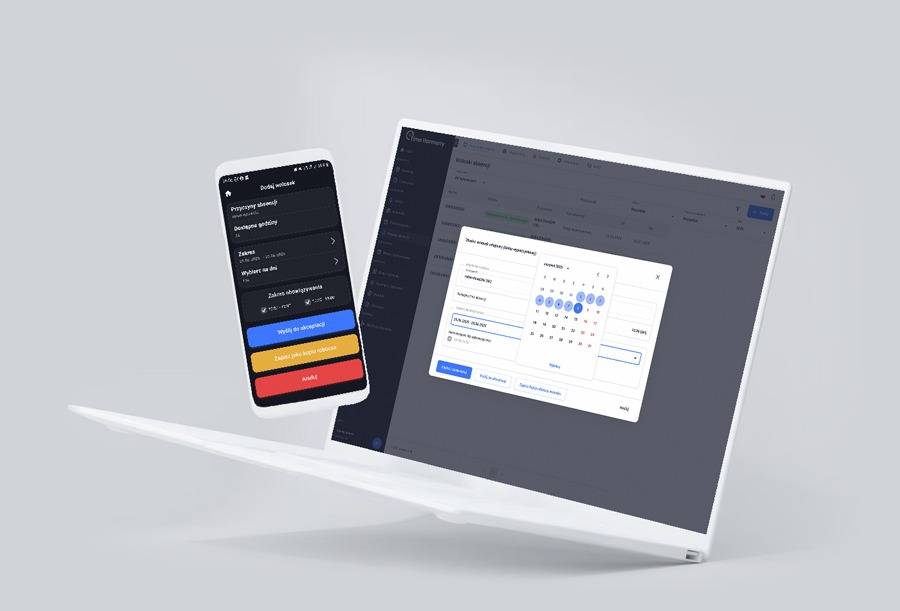
In the Time Harmony system, we prioritize full configuration freedom:
- Create any leave type – from standard vacations to specific days off defined by your internal company policy.
- Set your own limits and rules – you decide if a specific absence is paid, how many days are allowed, and which documents (e.g., a vet’s note) are required.
- All in one view – managers can instantly see team availability, regardless of the reason for an employee's absence.
Summary
The shifts in Italian labor law are a fascinating signal from Europe. While statutory changes might not be immediate in every country, flexibility in managing time off is becoming a real asset for entrepreneurs.
Instead of waiting for legal mandates, you can proactively shape your leave policy to attract and retain the best specialists. With Time Harmony, you can do this in just a few clicks.
Want to see how easy it is to configure custom leave types in your company? Explore Time Harmony’s features and manage work time without limits!
Easily manage your company's working time