
Most logistics managers base their decisions on historical reports from BI systems or Excel spreadsheets that reflect yesterday's operations. They see that OTIF has dropped, costs per order have risen, and packing efficiency was lower than expected. However, in the dynamic world of e-commerce, static data is not enough. The key to success is real-time warehouse performance management, which allows for a reaction the moment a problem arises—not when it’s already too late to save the day's result.
The "Average efficiency" trap
Many managers focus on LPH (Lines Per Hour) as a monthly or shift-based average. This is a mistake. An 8-hour average can hide dramatic downtime and sudden spikes in workload. If your picking is hitting record numbers in the morning while the packing zone stands idle, unable to process the volume—you are losing money. You are creating a bottleneck, blocking floor space, and generating unnecessary stress. The real challenge isn't the maximum speed of a single zone, but the harmonization of flow between them.
Why real-time warehouse performance management is a must?
In e-commerce, where every minute counts toward the carrier cut-off time, relying on historical data is like driving a car with a blacked-out windshield. To truly control operations, you need insight into parameters that allow for proactive decisions:
- B2C OTIF (On-Time In-Full): Calculated for specific shipping windows. Will orders placed by 12:00 PM leave the warehouse by 2:00 PM?
- Order Cycle Time: This is the heartbeat of your warehouse. If the time from order placement to courier handover starts to climb during a shift, your system is losing capacity.
- LPH per Zone and Process: Knowing how efficiency splits between Single-Order vs. Multi-Order allows for immediate reallocation of staff to emerging bottlenecks.
- Productivity per FTE: Answers the vital question: "Do we have the optimal number of people today relative to the actual order flow?"
From dashboard to decision: the role of Time Harmony
Logistics management is, in reality, tempo management. KPIs without the ability to react instantly are just statistics. The Time Harmony system was designed to turn static data into dynamic action, enabling full control over the process here and now.
How does it work in practice?
- Detect bottlenecks before they block you: If packing can’t keep up with picking, the system alerts you immediately, not at the end of the shift.
- Harmonize shift work: Instead of moving people "by gut feeling," you reallocate resources based on hard data regarding zone load and FTE availability.
- Proactively manage the backlog: You know exactly how many orders are waiting and what decision to make to save delivery deadlines before the courier arrives.
Summary: Logistics needs a metronome
In modern e-commerce, the winner isn't the one with the most data, but the one who can interpret and translate it into labor or process movement the fastest. If your KPIs only serve to create pretty presentations for the board, you are missing an opportunity for cost optimization. It’s time to stop analyzing what broke yesterday and start setting the rhythm for today.
Want to see real-time warehouse performance management in action? Discover how Time Harmony helps you manage efficiency and labor time, turning chaos into a predictable rhythm. Contact us!
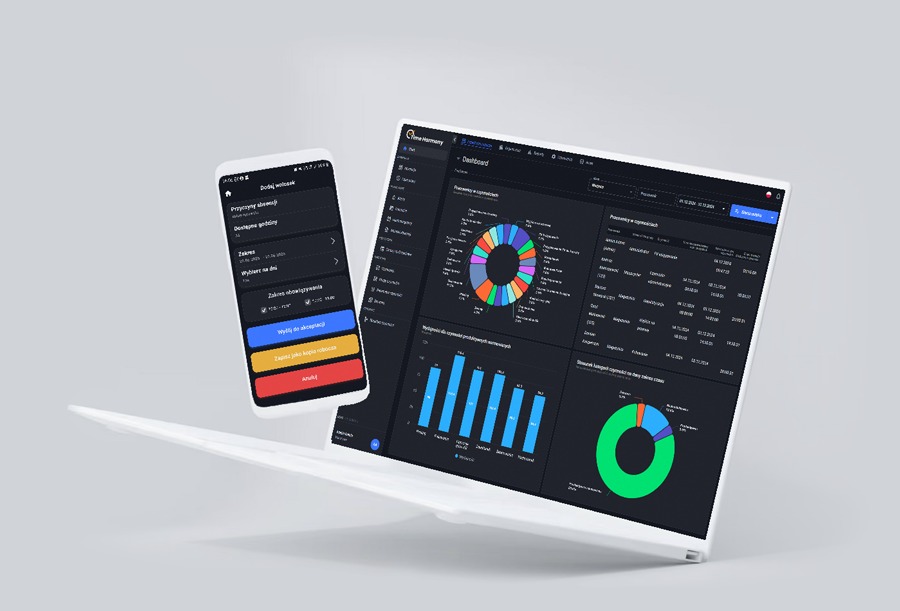
Optimize working time and efficiency of your team